HomePCB PortfolioHigh Density Interconnect PCBs

High Density Interconnect PCBs

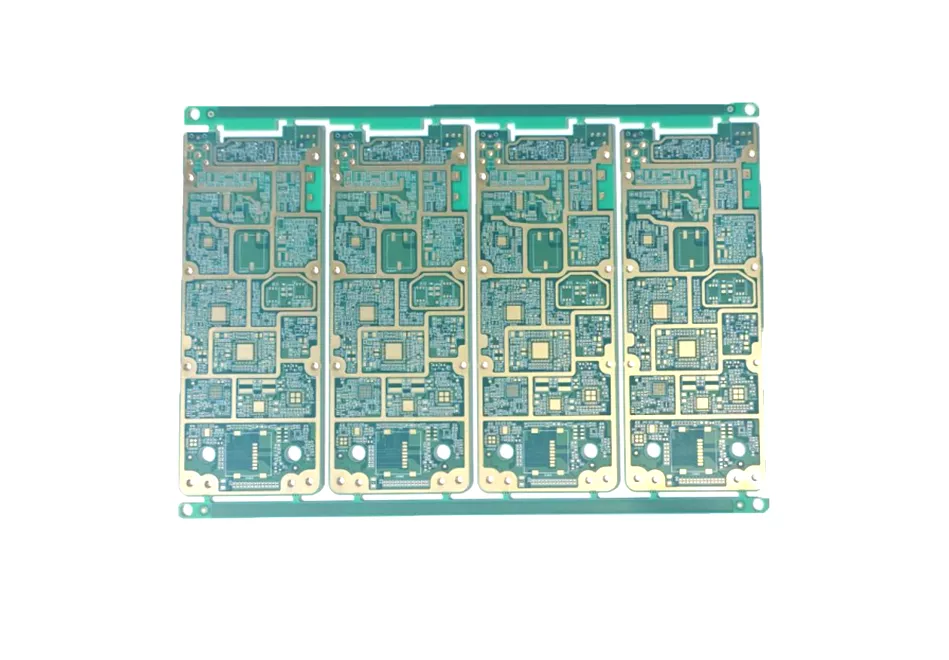
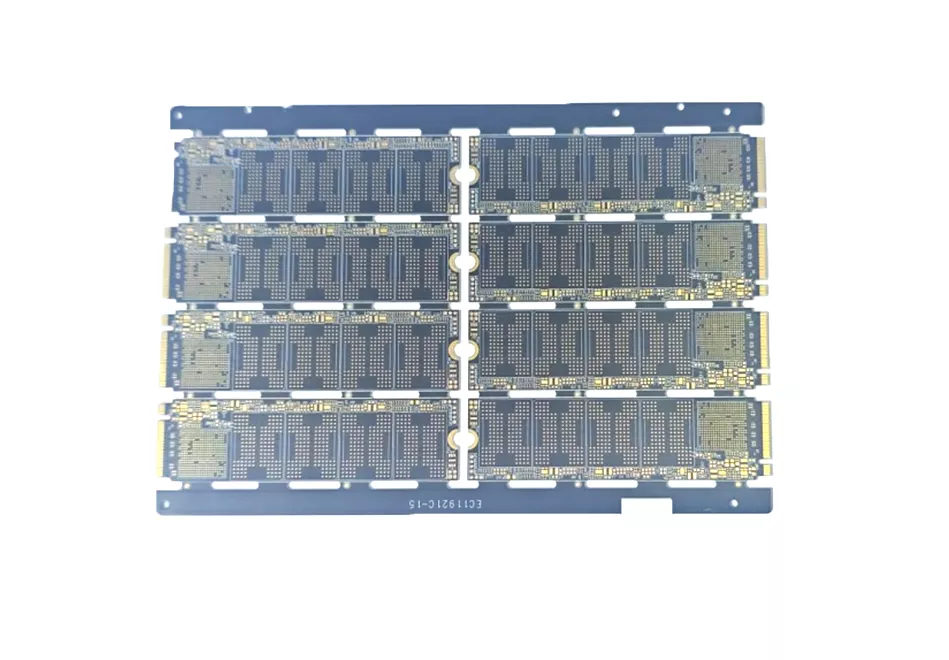
High-density interconnect, or HDI, circuit boards are printed circuit boards with a higher wiring density per unit area than traditional printed circuit boards. In general, HDI PCBs are defined as PCBs with one or all of the following: microvias; blind and buried vias; built-up laminations and high signal performance considerations. Printed circuit board technology has been evolving with changing technology that calls for smaller and faster products. HDI boards are more compact and have smaller vias, pads, copper traces and spaces. As a result, HDIs have denser wiring resulting in lighter weight, more compact, lower layer count PCBs. Rather than using a few PCBs in a device, one HDI board can house the functionality of the previous boards used.


The primary benefit of HDI printed circuit boards is the capability to “do more with less”; with copper-etching technology continuously refined for better precision, it became possible to combine functionalities of multiple PCBs into one HDI PCB.
FeatureTechnical specification
Number of layers4 – 22 layers standard, 30 layers advanced
Technology highlightsMultilayer boards with a higher connection pad density than standard boards, with finer lines/spaces, smaller via holes and capture pads allowing microvias to only penetrate select layers and also be placed in surface pads.
HDI builds1+N+1, 2+N+2, 3+N+3,4+N+4, any layer / ELIC, Ultra HDI in R&D
MaterialsFR4 standard, FR4 high performance, Halogen free FR4, Rogers
Copper weights (finished)18μm – 70μm
Minimum track and gap0.075mm / 0.075mm
PCB thickness0.40mm – 3.20mm
Maxmimum dimensions610mm x 450mm; dependant upon laser drilling machine
Surface finishes availableOSP, ENIG, Immersion tin, Immersion silver, Electrolytic gold, Gold fingers
Minimum mechanical drill0.15mm
Minimum laser drill0.10mm standard, 0.075mm advanced

High Density Interconnect (HDI) PCBs are advanced printed circuit boards engineered for higher wiring density per unit area than conventional multilayer boards. By using laser-drilled microvias, fine-line imaging, and blind/buried via structures, HDI enables compact layouts, shorter signal paths, and better performance in high-speed and high-IO designs.

At Benchuang Electronics in Shenzhen, HDI is one of our core production categories. We support projects from early prototype validation to stable mass production with a manufacturing system focused on microvia integrity, fine-line yield, and lamination registration.


Why Choose HDI PCBs?

HDI technology allows you to achieve aggressive form-factor and performance targets without splitting the design into multiple boards and harnesses.


Benchuang HDI Manufacturing Capabilities

1. Microvia Drilling & Filling Reliability

2. Fine-Line Imaging

3. Lamination Registration

4. Materials & Stack-Up Support

5. Capacity & Lead Time


HDI Structures We Produce

Benchuang manufactures mainstream HDI build types used in today’s compact high-IO electronics, including:

If your design uses special materials (low-loss, high-Tg, halogen-free, RF hybrid), our engineers can recommend stack-ups that balance electrical performance, reliability and cost.


Quality Control for HDI Boards

HDI reliability depends on a few critical points. Our quality system is built around them:

  1. Incoming Inspection & Traceability
    • Each panel is assigned a unique ID linked to material and process records
    • Full traceability from laminate lot to final shipment
  2. In-Process SPC at Critical Steps
    • Statistical process control on laser drilling, plating and lamination
    • Tight control of copper plating thickness and microvia filling
    • Routine measurement of critical dimensions and registration
  3. Final Electrical & Reliability Verification
    • 100% electrical testing (flying-probe or fixture)
    • Cross-sections and X-ray inspection on representative lots
    • Reliability tests available for automotive and medical projects on request

Typical HDI Applications

HDI PCBs are widely used where space, speed and reliability must all be optimized:

These applications benefit from shorter signal paths, higher layer density, and robust microvia structures.


DFM & Quotation Support

To help engineers and buyers move quickly from concept to production, Benchuang provides:

Our goal is to make HDI manufacturability clear early in the design phase, reduce redesign cycles, and give you predictable cost and lead-time windows.


Get a Fast HDI Feasibility Review

Send us your Gerber files, stack-up requirements and target application.
Our engineering team will provide:

Talk to an Expert