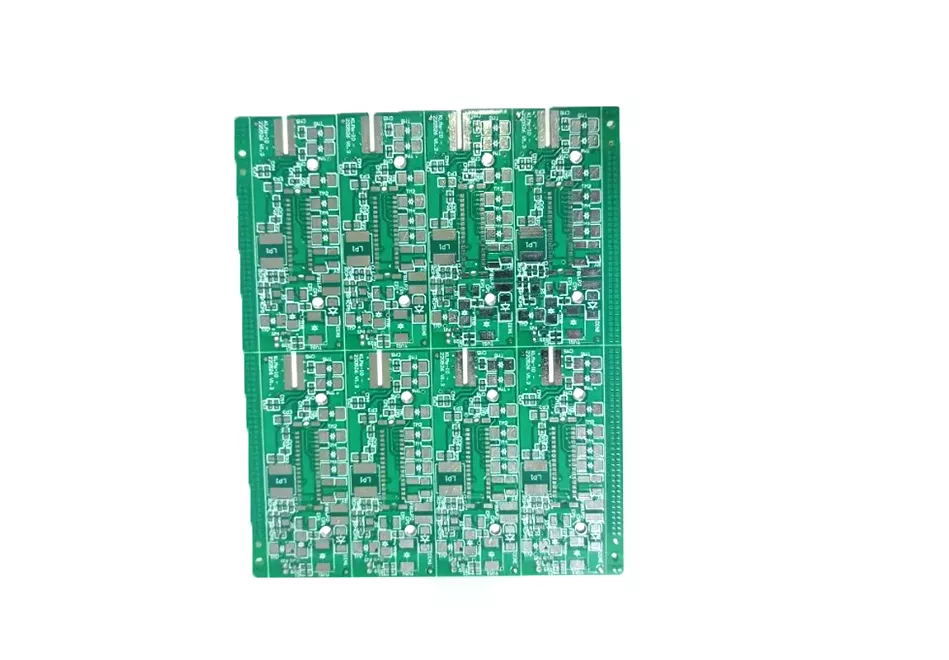
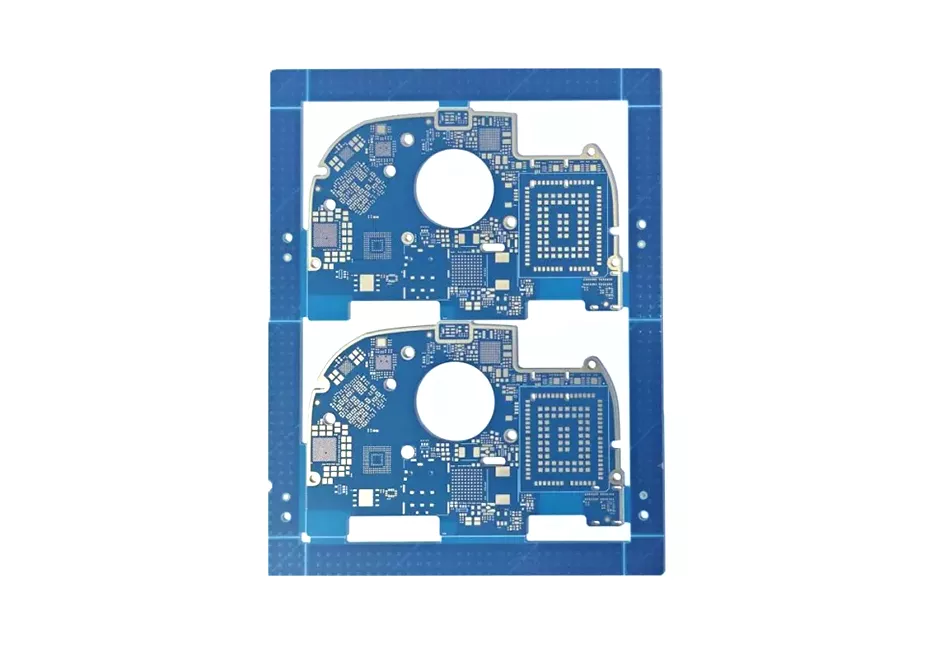
Double sided PCBs are the most widely used products in our product portfolio, with applications ranging from consumer electronics to medical. As technology develops and circuit complexity increases, the demand for Double sided PCBs will decrease. However, this is still our most produced and most reliable product.
Feature
Technical Specification
Number of Layers
2 layers
Technology Highlights
Epoxy glass dielectric materials laminated with copper cladding of varying thicknesses
Materials
FR-4 standard, FR-4 high performance, FR-4 halogen-free
Double-Sided PCBs: Practical Two-Layer Boards for Balanced Cost and Density
Double-sided PCBs are two-layer circuit boards with copper traces on both top and bottom sides, electrically connected by plated through-holes. They offer far more wiring freedom than single-sided boards while staying simpler and more economical than multilayer designs.
If your layout is getting crowded on one side, or you need both-side components to shrink the board, double-sided PCBs are usually the most cost-effective next step.
1) Double-Sided vs. Single-Sided (Quick Comparison)
Item
Double-Sided PCB
Single-Sided PCB
Copper layers
Two (top & bottom)
One
Routing capacity
Higher, easier cross-overs
Limited
Component placement
Both sides possible
Mostly one side
Layout flexibility
Strong
Low
Cost level
Moderate
Lowest
2) What Double-Sided PCBs Help You Achieve
Double-sided boards are chosen when you want:
More routing space without jumping to multilayer
Shorter trace paths for cleaner layouts
Both-side assembly to reduce board footprint
Better separation of power and signals
Improved grounding options compared with single-sided designs
Faster prototyping and scale-up due to simpler stack-up
3) Board Structure (How a Two-Layer PCB Works)
A standard double-sided PCB includes:
Top copper layer: primary routing and component pads
Bottom copper layer: secondary routing, grounding, or components
Plated through-holes (PTH): connect top and bottom electrically
Solder mask: protects copper and prevents shorts
Silkscreen: assembly reference markings
Surface finish: selected to match your soldering process and reliability targets
This straightforward structure keeps manufacturing stable and helps control cost.
4) When Double-Sided Is the Right Choice
Double-sided PCBs are a strong fit if:
One-side routing forces long detours or messy cross-overs
You need denser routing but multilayer feels unnecessary
Both-side components can shrink the board area
You want better electrical stability than single-sided can offer
You’re targeting a clean, manufacturable design before upgrading to multilayer
5) DFM Tips That Improve Yield and Assembly
Plan through-holes early Hole count and placement decide routing freedom, assembly access, and cost.
Keep soldering clearance safe on both sides Especially important if both sides are populated.
Use the bottom layer for stable returns where possible Cleaner return paths reduce noise and improve consistency.
Avoid pushing every trace to minimum size Keep most nets in stable design windows; reserve tight rules only for critical zones.
Balance copper distribution Symmetric copper reduces twist/bow and improves assembly yield.
A short DFM check before release prevents most two-layer problems.
6) Main Cost Drivers (What Changes Price Fast)
Board dimensions and panel utilization
Total drilled holes and drilling complexity
Trace density and feature tightness
Both-side component population requirements
Surface finish selection
Inspection and electrical test level
Special mechanical features (slots, cutouts, countersinks)
Optimizing drilling strategy and layout density usually delivers the biggest savings.
7) RFQ Checklist (Send This for a Fast Quote)
RFQ Item
What to provide
Why it matters
Design files
Gerber or ODB++
Confirms routing, holes, outline
Material intent
Standard or special material needs
Aligns base material route
Copper intent
Standard or heavier copper zones
Confirms current/thermal needs
Surface finish
ENIG / OSP / HASL-LF / other
Matches assembly process
Assembly notes
Both-side parts? special areas?
Prevents build surprises
Quantity plan
Prototype / MPQ / annual volume
Sets panel strategy & lead time
Reliability targets
Your test or standard needs
Defines validation level
Ready to Start Your Double-Sided PCB Build?
Double-sided PCBs deliver a reliable balance of routing flexibility, stable performance, and cost efficiency. Send your Gerber + assembly notes for a fast DFM review and quotation. Early confirmation of drilling strategy, copper distribution, and finish selection is the shortest path to stable prototypes and smooth mass production.