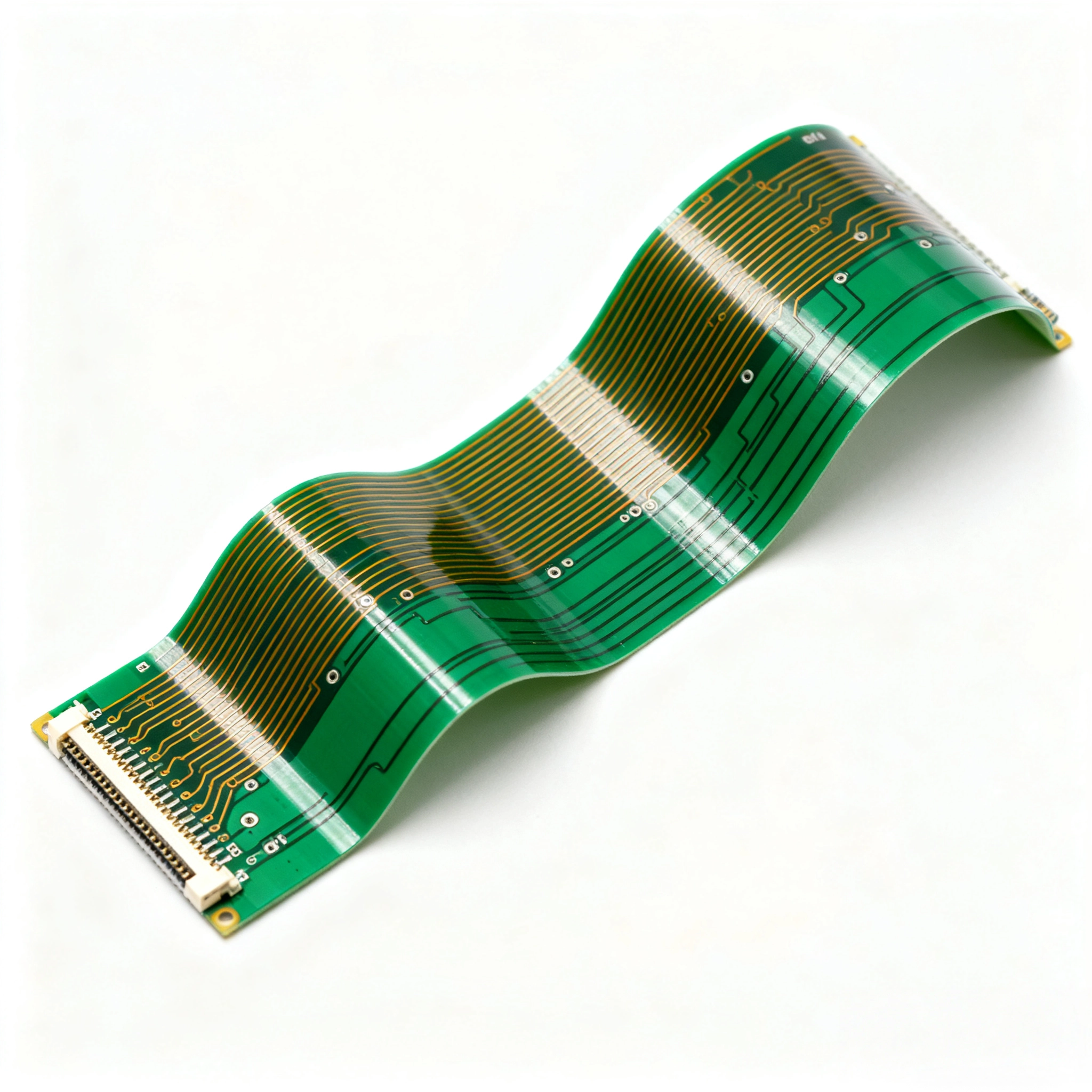
Benchuang provides custom flexible PCB services and is a professional flexible PCB manufacturer in China. Our Flexible PCBs offer superior bendability (tight radii down to 0.5mm), lightweight construction (up to 70% lighter than rigid boards), and high-density interconnects using polyimide (PI) or PET substrates for dynamic/static flexing in space-constrained designs. We ensure durability with anti-corrosion coverlays, high-temperature resistance (-40°C to 125°C), and fatigue tolerance exceeding 1 million cycles, supporting 1-6 layers with precise trace widths (down to 0.075mm/3 mil) and surface finishes like ENIG or OSP for reliable performance in harsh environments.
We offer full turnkey PCBA services—including fabrication, SMT/BGA assembly, AOI inspection, and functional testing—for wearables (fitness trackers), automotive (infotainment systems), medical (implantable devices), consumer electronics (foldable screens), industrial sensors (vibration monitoring), and aerospace applications. Rapid 7-15 day turnaround with IPC Class 2/3 compliance and expert DFM support.