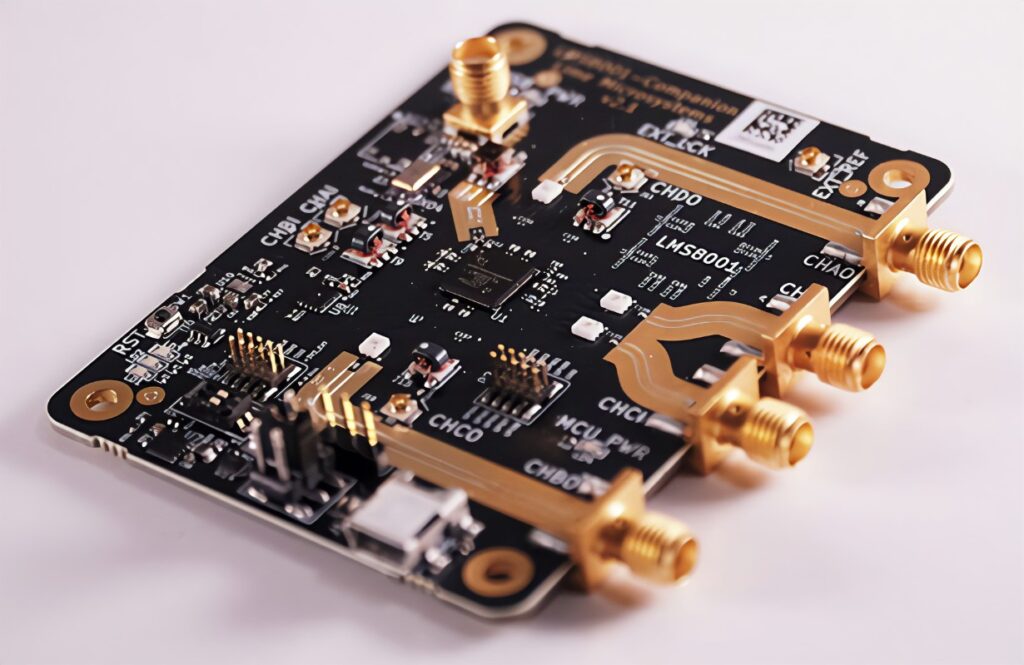
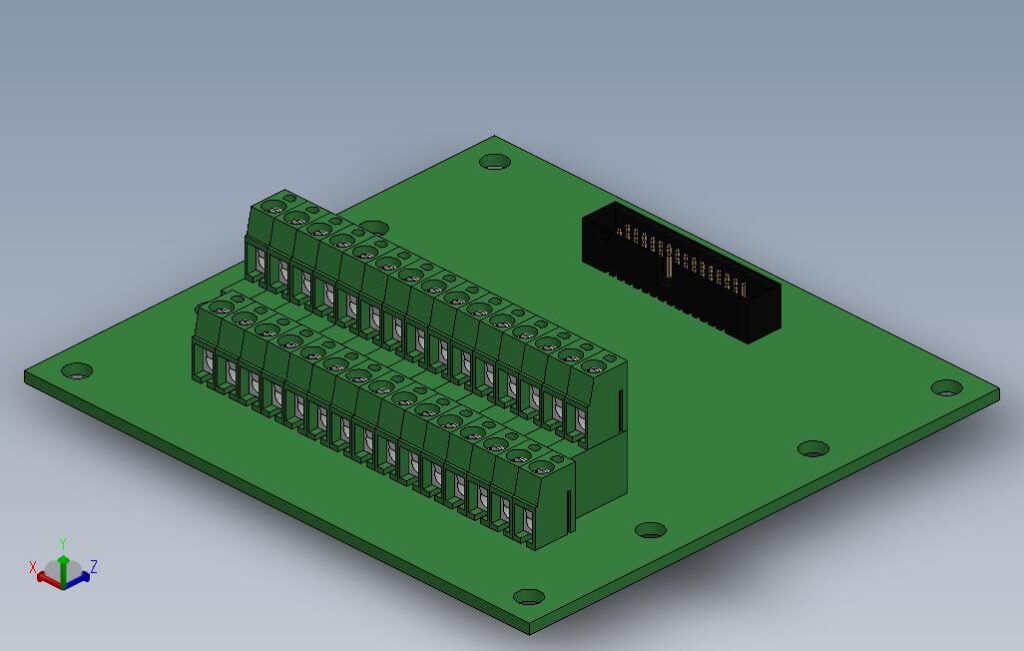
International Standards: Japan's JIS standards, the United States' ASTM, NEMA, MIL, IPC, ANSI, and UL standards, the United Kingdom's BS standards, Germany's DIN and VDE standards, France's NFC and UTE standards, Canada's CSA standards, Australia's AS standards, the former Soviet Union's FOCT standards, and the international IEC standards, among others; common and frequently used suppliers of PCB design materials include: Shengyi, Jiantao, and International, among others.
PCB board material introduction: classified by brand quality level from lowest to highest as follows: 94HB – 94VO – CEM-1 – CEM-3 – FR-4.
Detailed parameters and applications are as follows:
94HB: Ordinary paperboard, non-fireproof (lowest grade material, die-cut holes, cannot be used for power boards)
94V0: Flame-retardant paperboard (die-cut holes)
22F: Single-sided semi-glass fiber board (die-cut)
CEM-1: Single-sided glass fiber board (must be computer-drilled, cannot be die-cut)
CEM-3: Double-sided semi-glass fiber board (the lowest-grade material for double-sided boards except for double-sided paperboard; simple double-sided boards can use this material, which is 5–10 RMB cheaper per square meter than FR-4)
FR-4: Double-sided glass fiber board
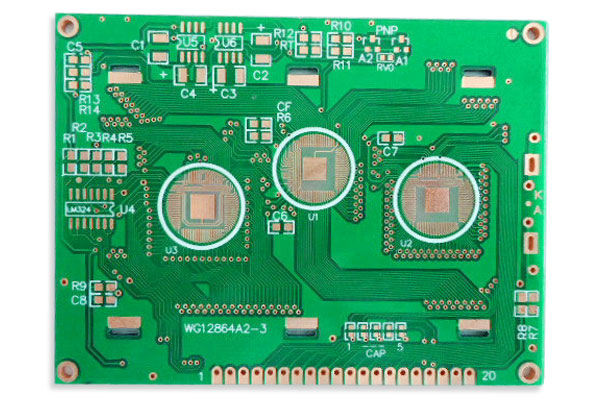
1. Flame retardant properties are classified into four grades: 94VO, V-1, V-2, and 94HB.
2. Semi-cured sheets: 1080 = 0.0712 mm, 2116 = 0.1143 mm, 7628 = 0.1778 mm
3. FR4 CEM-3 both refer to board materials; FR4 is a fiberglass board, and CEM-3 is a composite substrate.
4. Halogen-free refers to substrates that do not contain halogens (such as fluorine, bromine, or iodine), as bromine produces toxic gases when burned, which is a requirement for environmental protection.
5. Tg is the glass transition temperature, i.e., the melting point.
6. Circuit boards must be flame-resistant, meaning they cannot burn at a certain temperature but only soften. This temperature point is called the glass transition temperature (Tg point), which affects the dimensional stability of the PCB board.
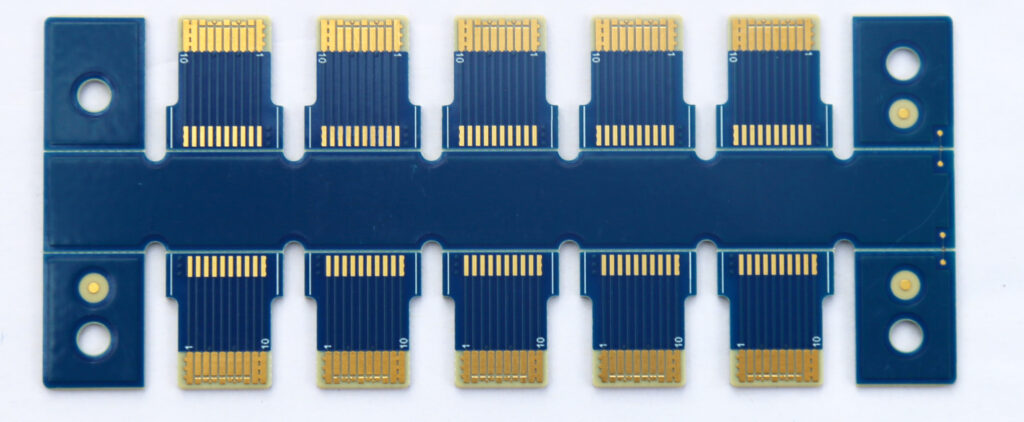
What is high Tg? Advantages of PCB circuit boards and high Tg PCBs:
High Tg printed circuit boards transition from a “glass state” to a “rubber state” when the temperature rises to a certain threshold. This temperature is referred to as the glass transition temperature (Tg) of the board. In other words, Tg is the highest temperature (°C) at which the substrate maintains its rigidity. This means that ordinary PCB substrate materials undergo softening, deformation, and melting at high temperatures, accompanied by a significant decline in mechanical and electrical properties, thereby affecting the product's service life. Generally, boards with a Tg of 130°C or higher are considered high Tg, while those with a Tg greater than 170°C are classified as high Tg, and those with a Tg greater than 150°C are categorized as medium Tg; PCB printed circuit boards with a Tg ≥ 170°C are referred to as high-Tg printed circuit boards. When the substrate's Tg is increased, the printed circuit board's thermal resistance, moisture resistance, chemical resistance, and stability characteristics are all improved. The higher the Tg value, the better the board's temperature resistance performance, especially in lead-free processes where high-Tg applications are more common; high-Tg refers to high thermal resistance. With the rapid development of the electronics industry, particularly electronic products represented by computers, which are moving toward higher functionality and multi-layered designs, PCB substrate materials must have higher heat resistance as a prerequisite. The emergence and development of high-density mounting technologies such as SMT and CMT have made PCB substrates increasingly reliant on high heat resistance to support small-diameter holes, fine-line patterns, and thin profiles.
Therefore, the difference between general FR-4 and high-Tg materials lies in their performance under high-temperature conditions, especially after moisture absorption. In terms of mechanical strength, dimensional stability, adhesion, moisture absorption, thermal decomposition, and thermal expansion, high-Tg products significantly outperform conventional PCB substrate materials.
BenChuang Electronics produces customized PCB boards. Contact us and send your specifications.