


I. Signal Integrity (SI): Critical Issues and Optimization Pathways
The primary concern in high-speed PCB design is signal integrity, particularly when frequencies exceed hundreds of MHz. Signal reflections, crosstalk, and attenuation during transmission significantly impact circuit performance. High-frequency signal propagation on PCBs is affected by factors such as impedance mismatch, improper via placement, and signal interference.
1.1 Impedance Control
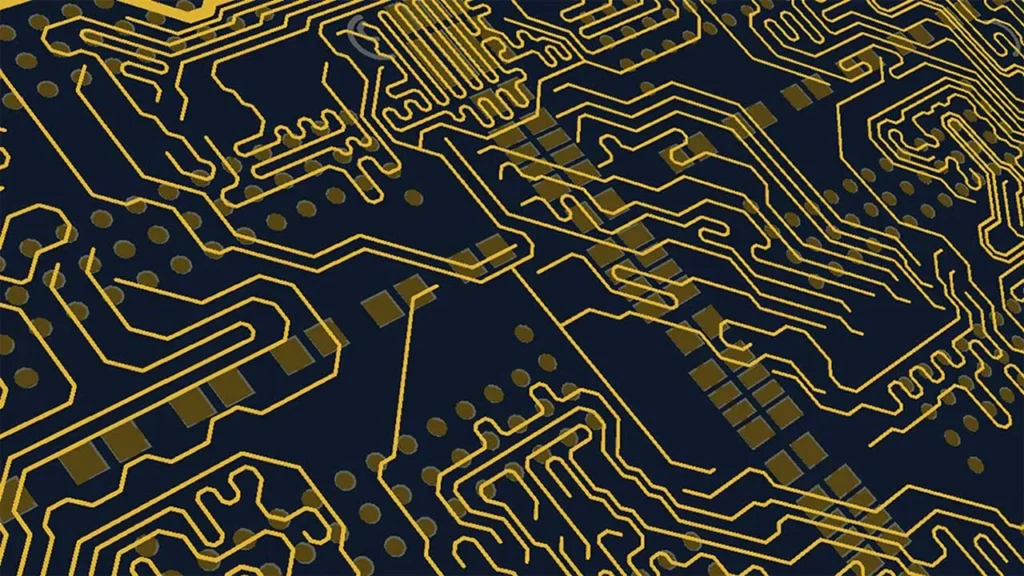
Impedance control forms the foundation of signal integrity. In high-frequency signal transmission, any abrupt impedance change causes signal reflection, degrading signal quality. Therefore, strict control of PCB impedance—including differential and single-ended impedance—is essential. Design considerations include:
Trace Width and Spacing: Trace width and spacing directly influence impedance values. Typically, narrower trace widths and wider spacing result in lower impedance.
Dielectric Thickness: Thicker dielectric layers increase impedance.
Dielectric Material: Different dielectric materials possess varying permittivities, which also affect impedance.
1.2 Via Design
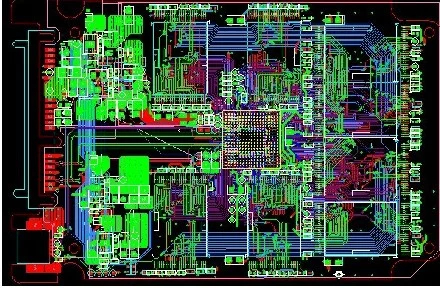
Vias serve as interconnects between PCB layers, significantly impacting signal integrity. Key considerations for via design include:
Via Count: More vias increase signal loss. Therefore, minimize via count while meeting electrical performance requirements.
Via Size: Larger vias increase parasitic capacitance and signal loss. Select appropriate via dimensions.
Via Placement: Improper via placement causes signal reflection and crosstalk. Arrange vias rationally to avoid signal interference.
1.3 Signal Trace Routing
Signal trace routing significantly impacts signal integrity. Consider the following during layout:
Signal trace length: Longer traces result in greater signal loss. Therefore, minimize trace lengths whenever possible.
Signal trace spacing: Insufficient spacing between traces causes crosstalk. Maintain adequate spacing between signal traces.
Signal trace routing: Improper routing can cause signal reflections and crosstalk. Plan signal trace routing carefully.
II. Power Integrity (PI): Key Issues and Optimization Pathways
Power integrity is fundamental to ensuring proper circuit operation. In high-frequency signal transmission, power noise and ground bounce severely impact circuit performance. Therefore, strict control of power integrity—including power noise and ground bounce—is essential.
2.1 Power Noise
Power noise arises from fluctuations in supply voltage. During high-frequency signal transmission, power noise significantly degrades circuit performance. Therefore, the following measures should be implemented to control power supply noise:
Power Decoupling: Adding decoupling capacitors between the power supply and ground effectively suppresses power supply noise.
Power Plane Design: Properly designing power planes can significantly reduce power supply noise.
Power Filtering: Incorporating filter circuits at the power input effectively suppresses power supply noise.
2.2 Ground Bounce
Ground bounce arises from ground impedance. In high-frequency signal transmission, ground bounce severely degrades circuit performance. Therefore, the following measures are required to control ground bounce:
Ground Design: Proper ground design can effectively reduce ground bounce.
Ground Decoupling: Adding decoupling capacitors between the ground and power supply can effectively suppress ground bounce.
Ground filtering: Adding a filter circuit at the ground input effectively suppresses ground bounce.
III. Electromagnetic Compatibility (EMC): Key Issues and Optimization Pathways
Electromagnetic compatibility is fundamental to ensuring proper circuit operation. In high-frequency signal transmission, electromagnetic interference severely impacts circuit performance. Therefore, strict control of EMC is required, encompassing both electromagnetic emissions and electromagnetic susceptibility.
3.1 Electromagnetic Radiation
Electromagnetic radiation arises from current changes within circuits. During high-frequency signal transmission, it severely degrades circuit performance. The following measures are therefore necessary to control electromagnetic radiation:
Shielding Design: A Rational shielding structure design can effectively reduce electromagnetic radiation.
Filtering Design: Incorporating filter circuits into the circuitry can effectively suppress electromagnetic radiation.
Layout Design: The optimal circuit layout can effectively reduce electromagnetic radiation.
3.2 Electromagnetic Susceptibility
Electromagnetic susceptibility refers to a circuit's sensitivity to electromagnetic interference. In high-frequency signal transmission, electromagnetic susceptibility can severely impact circuit performance. Therefore, the following measures are required to control electromagnetic susceptibility:
Filter Design: Incorporating filter circuits into the design can effectively reduce electromagnetic susceptibility.
Layout Design: The optimal circuit layout can effectively reduce electromagnetic sensitivity.
Shielding Design: Properly designed shielding structures can effectively reduce electromagnetic sensitivity.
IV. Thermal Design: Key Issues and Optimization Pathways
Thermal design is fundamental to ensuring circuit functionality. In high-frequency signal transmission, heat severely impacts circuit performance. Therefore, strict thermal design control is essential, encompassing heat dissipation and thermal management.
4.1 Heat Dissipation Design
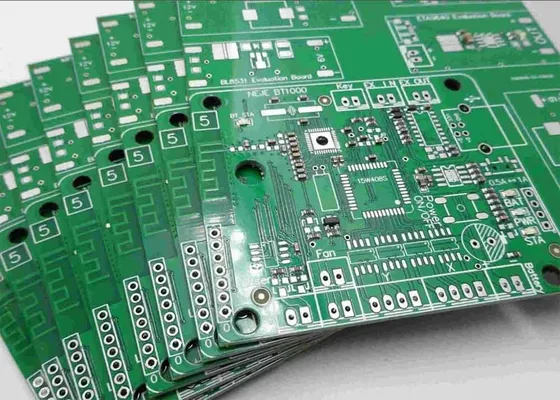
Heat dissipation design is fundamental to ensuring circuit functionality. During high-frequency signal transmission, heat generation can severely degrade circuit performance. Consequently, the following measures must be implemented to control heat dissipation:
Heat Sink Design: Properly designing heat sinks can effectively reduce circuit temperatures.
Heat Pathway Design: Properly designing heat pathways can effectively reduce circuit temperatures.
Heat Dissipation Material Selection: Selecting appropriate heat dissipation materials can effectively reduce circuit temperatures.
4.2 Thermal Management
Thermal management is fundamental to ensuring circuit functionality. During high-frequency signal transmission, heat can severely degrade circuit performance. Consequently, the following measures must be implemented to control thermal management:
Thermal Simulation Design: Thermal simulation enables the prediction of temperature distribution within circuits, facilitating optimized thermal design.
Thermal Monitoring Design: Thermal monitoring allows real-time tracking of circuit temperatures, enabling timely corrective actions.
Thermal Protection Design: Thermal protection automatically shuts down the circuit when temperatures become excessively high, safeguarding the circuit.
Benchuang Electronics offers high-quality Radio Frequency PCB services. Contact us and send your specifications.

